
Laundromat and Commercial Laundry Plumbing
Lint interceptors, the three-year records Valley cities ask for, backflow on the water service and hot water sized for the weekend rush.
Commercial clothes washers must drain through a lint interceptor with a removable basket that stops solids of 1/2 inch or larger. Phoenix, Mesa and Scottsdale codes list laundries among businesses that must install interceptors when the city requires them, with three years of cleaning records kept on site. Phoenix also lists laundry and dye works for backflow protection.
The rules that apply
Each rule links to the official text we read it from. Cities change these, so check the source before a big decision. Last checked 2026-09-29.
Lint interceptor
Model code (2024 IPC)Clothes washers discharge through an interceptor with a wire basket or similar device, removable for cleaning, that stops solids 1/2 inch or larger, string, rags and buttons. Washers in dwelling units are exempt.
Source: 2024 IPC 1003.6Interceptors required
PhoenixLaundries must install and operate interceptors when the Water Services Director decides they're needed for grease, oil, flammable waste, solids or other harmful ingredients.
Source: Phoenix City Code 28-12Interceptor maintenance and records
PhoenixKeep interceptors in continuously effective condition: remove accumulated lint, sludge and solids, clean the interior and repair internal parts. Records stay at the site for at least 3 years.
Source: Phoenix City Code 28-15Interceptor approval
PhoenixPhoenix amended the plumbing code so the authority having jurisdiction approves each interceptor's size, type and location, in line with City Code 28-13.
Source: Phoenix amendment to IPC 1003.2Interceptors and records
Mesa, ScottsdaleBoth cities list laundries among businesses that provide interceptors when the city finds them necessary. Cleaning and repair records stay at the facility for at least three years.
Source: Mesa City Code 8-4-22Also: Scottsdale City Code 49-95Service backflow
PhoenixLaundry and dye works need an air gap or reduced pressure (RP) assembly. Every assembly is tested at least once a year by a certified tester, with results sent to the city.
Source: Phoenix City Code 37-143 and 37-144Lint traps on septic
Maricopa CountyCommercial laundry facilities on an onsite wastewater (septic) system install hair and lint traps on the drains connected to it.
Source: County Environmental Health Code Ch. II, Sec. VIIILint interceptors: the part that keeps the drains open
If your store runs commercial washers, the plumbing code expects a lint interceptor between the machines and the sewer. The 2024 International Plumbing Code (Section 1003.6) says clothes washers discharge through an interceptor with a wire basket or similar device, removable for cleaning, that stops solids 1/2 inch or larger, plus string, rags and buttons. Only washers in a dwelling unit, or a single household-style washer outside one, get a pass. Phoenix accepts either the IPC or the UPC, so check which code your permit is under.
Why it matters: lint doesn't dissolve. It settles in the drain trench and the building sewer, binds with detergent and grit, and narrows the pipe until a Saturday rush backs water up through the floor drains. A full basket does the same thing, just closer to the machines.
Here's the routine that works:
- 1Pull and empty the baskets on a set schedule, more often on your busiest days.
- 2Pump the interceptor before sludge and lint fill the chamber, not after the drains slow.
- 3Log every cleaning, with the date and who did it.
- 4Jet the line downstream on a schedule, and whenever the same drains keep slowing. See hydro jetting vs snaking.
What Valley cities require from laundries
City sewer codes name laundries outright. Phoenix City Code 28-12 says interceptors must be installed and operated by laundries, along with restaurants, service stations and car washes, when the Water Services Director decides they're needed for solids or other harmful ingredients. Mesa City Code 8-4-22 and Scottsdale City Code 49-95 read almost the same way.
Maintenance is spelled out too. Phoenix Code 28-15 requires periodic removal of all accumulated lint, sludge and solids, a thorough cleaning of the interior, and repairs to internal parts, with records kept at the site for at least three years. Mesa and Scottsdale also set a three-year minimum for records at the facility. Our free printable maintenance log works for a lint interceptor as well as a grease trap.
In Phoenix the city also approves the interceptor itself. The city's plumbing code amendment gives the authority having jurisdiction the say over size, type and location, so plan review happens before one goes in. See Phoenix City Code 28-12.
On septic? Maricopa County requires hair and lint traps on drains connected to an onsite wastewater system at commercial laundry facilities.
Hot water: sizing for the rush
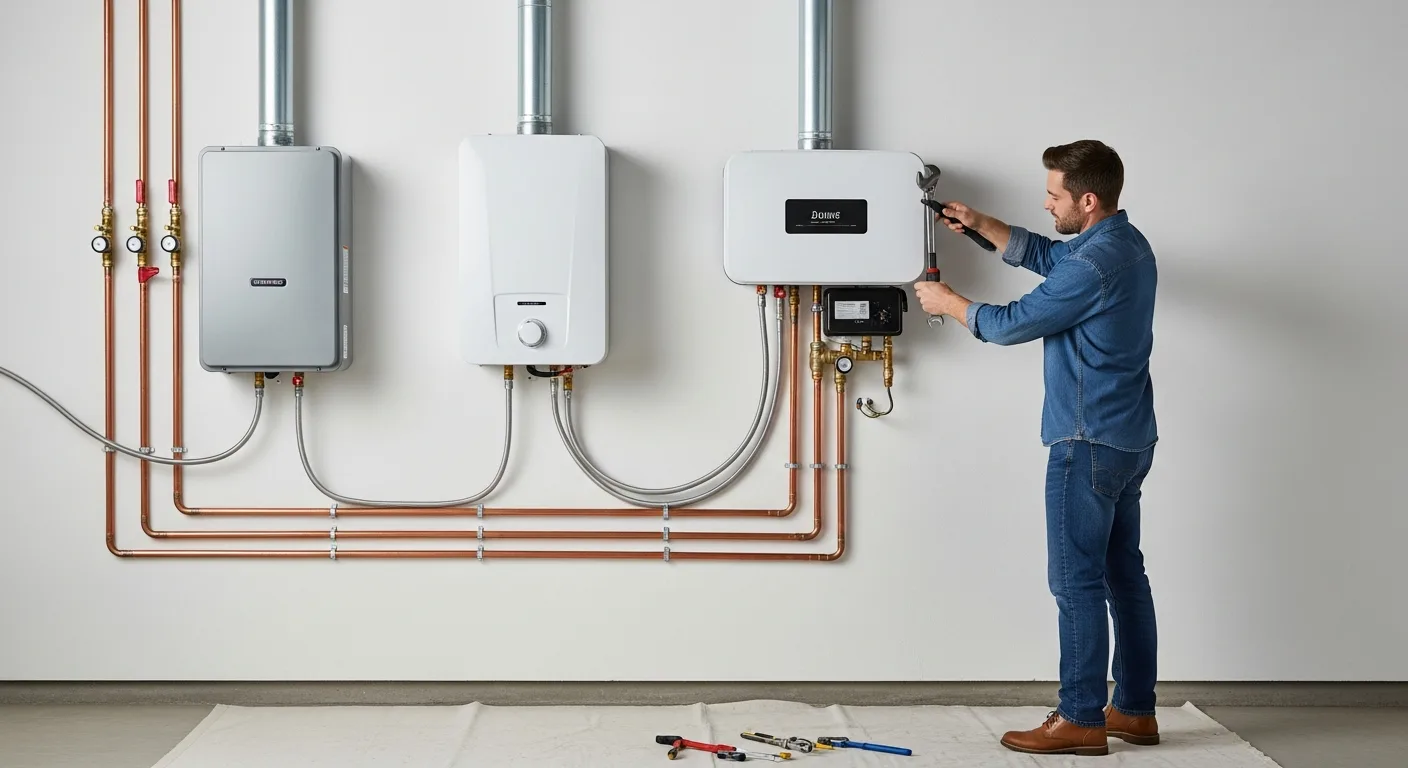
Hot water is usually a laundromat's biggest plumbing load. A row of washers calling for hot fill at once on a Sunday morning will empty a heater sized for the average. The signs show up as warm fills, customer complaints and burners or elements that never rest.
Size for the peak, not the day. Count the washers, the hot water each fill uses and how many run together, then look at storage, recovery and whether two smaller heaters beat one big one for redundancy. Phoenix's hard water adds scale, so flushing on a schedule and a softener on the hot supply often pay off in heater life. See water heater recovery time, types of commercial water heaters and how hard water damages plumbing.
Replacing a heater takes a permit in Phoenix. The city's exemption for an in-kind water heater swap applies only to one- and two-family dwellings.
Backflow on the water service
Phoenix City Code 37-144 lists laundry and dye works among the facilities that need an air gap or a reduced pressure (RP) assembly, and the city decides case by case for anything not on the list. Every assembly is tested at least once a year by a certified tester, the results go to the city, and the customer keeps the records three years. If your store shares a meter with other tenants in a strip center, Phoenix calls for an RP assembly there too. Here's what commercial backflow testing involves.
Sewer lines and floor drains
A store full of washers sends a lot of water to one sewer line, fast. Floor drains that gurgle or back up when several machines drain together usually point to a partial blockage downstream, often lint and scale. A sewer camera inspection shows whether it's buildup, a sag or a broken joint before anyone digs. See floor drain backing up.
How HQ works with laundromats
We service lint interceptors, clear and jet drain lines, install and replace water heaters, and camera, repair and replace sewer lines. We also replace backflow assemblies and run gas lines for dryers and heaters. We're available 24/7, and you get an upfront price before work starts, with free estimates.
Services and tools
Codes and permits
Questions we've answered
- Why does my washing machine drain overflow?
- Why is my floor drain backing up?
- What's the difference between hydro jetting and drain snaking?
- How do I tell a main sewer line clog from a single drain clog?
- Why does the same drain keep clogging?
- How long does a water heater take to heat up?
- What are the different types of commercial water heaters?
- Why isn't my commercial water heater making enough hot water?
- How does hard water damage my plumbing and appliances?
- Do I really need a water softener in Phoenix?
- How often does a commercial backflow preventer need testing in Arizona?
- RPZ vs double-check backflow assembly: what's the difference?
Sources
- 2024 International Plumbing Code, Chapter 10
- City of Phoenix FOG Best Management Practices Manual (City Code 28-12 and 28-15)
- Phoenix amendments to the 2024 International Plumbing Code
- Phoenix amendments to the 2024 IBC Chapter 1 (permits)
- Phoenix City Code 37-143, customer backflow duties
- Phoenix City Code 37-144, facilities that need backflow prevention
- Mesa City Code 8-4-22, interceptors
- Scottsdale City Code 49-95, interceptors
- Maricopa County Environmental Health Code, Chapter II Section VIII (onsite wastewater)
Other industries we serve
Grease interceptor rules by city, pumping schedules, health code plumbing and soda backflow, plus 24/7 kitchen drain service.
Arizona landlord plumbing duties, kitchen stack clogs, water heaters, planned shutoffs, backflow testing and sewer laterals.
Shared grease interceptors, strip center backflow, tenant improvement permits, vacant suite odors and the records cities ask for.
County hotel plumbing rules, pool and spa backflow, laundry lint interceptors and hot water for the morning rush, plus 24/7 repair.
Brewery backflow, sewer pH and temperature limits, carbonator RPs, bar floor sinks, glass washers and trench drain jetting.
EPA amalgam separator rules, Phoenix compliance reports, clinic backflow, sterilizer and vacuum plumbing, and tenant improvement permits.
Lab backflow, lead testing at fountains, cafeteria grease interceptors, worn restrooms and summer break maintenance for Valley campuses.
Dry traps, fellowship hall kitchen grease, restroom loads on event days and irrigation backflow for Valley houses of worship.
Locker room showers, hair-clogged drains, sewer smells from dry traps and pool and spa plumbing rules for Valley gyms.
State board hot water and drain rules, shampoo bowl clogs, hair interceptors, chemical dispenser backflow and salon water heaters.
Sand and oil interceptor rules, 12-month pumping, three-year records, RP backflow and bay and reclaim line jetting.
RP backflow for multi-tenant shells, oil separators at truck bays, tempered eyewash water and industrial wastewater permits.
Condo vs owner plumbing duties, shared sewer lines, irrigation backflow testing, community pools and emergency water shutoffs.
Plumbing Help for Laundromats and Commercial Laundries
Talk to a real dispatcher who knows commercial work. Upfront pricing before work starts, 24/7 for emergencies.