
Car Wash Plumbing in Phoenix and the Valley
Interceptor sizing and pumping rules, backflow on the water service and where wash water may go, city by city, plus bay drain jetting before you open.
A Valley car wash needs a sand and oil interceptor between its wash bays and the sewer, pumped on a schedule with three years of records on site. Phoenix also requires an air gap or RP backflow assembly on the water service, tested every year, and only stormwater may run to the storm drain.
The rules that apply
Each rule links to the official text we read it from. Cities change these, so check the source before a big decision. Last checked 2026-09-29.
Interceptor required
PhoenixCarwashes, service stations and auto repair shops must install and operate interceptors when the city determines they are needed for wastes carrying grease, oil, flammables, solids or other harmful ingredients.
Source: Phoenix City Code 28-12Pumping and records
PhoenixGravity interceptors are fully pumped and cleaned before grease, oil, sand and solids reach 25 percent of liquid capacity, and at least once every 12 months unless the city grants a variance. Records stay on site for 3 years.
Source: Phoenix City Code 28-15Yearly interceptor service
ScottsdaleCar washes, repair shops and fleet service facilities have their interceptor pumped and cleaned at least once a year, and keep all maintenance records, including pump-outs, on site for at least three years.
Source: Scottsdale Water pretreatment pageWash water through pretreatment
GilbertWash rack and washing wastewater may not reach the sewer without going through a pretreatment device, and floor drains are allowed only when connected to pretreatment. Proper reuse of wastewater is allowed.
Source: Gilbert Town Code 66-245Oil separator size
Model code (2024 IPC)Car washing facilities need oil separators, either listed and labeled or designed to the code. A designed separator where vehicles are washed holds at least 6 cubic feet for the first 100 square feet drained, plus 1 cubic foot for each additional 100 square feet.
Source: 2024 IPC 1003.4 and 1003.4.2.2Water service backflow
PhoenixCarwash facilities need an air gap or a reduced pressure (RP) assembly. Assemblies are tested at least once a year by a certified tester, and records are kept three years.
Source: Phoenix City Code 37-144Backflow in Mesa
MesaCar wash facilities need a reduced pressure principle backflow prevention assembly (RPA) at each service connection.
Source: Mesa City Code 8-1-8Storm drains
PhoenixNothing but stormwater may be released to a public right-of-way, retention basin or storm drain, apart from a listed set of exceptions. Individual residential car washing is on the list; a commercial wash is not.
Source: Phoenix City Code 32C-103The interceptor is the heart of the site
Wash water carries sand, grit, oil and soap, and Valley cities want it to pass through an interceptor before it reaches the sewer. Phoenix City Code 28-12 names carwashes alongside service stations and auto repair shops, and Mesa City Code 8-4-22 does the same. Gilbert says it outright: no wash rack water goes to the sewer without a pretreatment device.
The 2024 International Plumbing Code, one of the two plumbing codes Phoenix lets designers use (the UPC is the other), backs this up. It requires oil separators at car washing facilities. A separator can be listed and labeled, or designed to the code, and a designed one is sized by drained floor area: at least 6 cubic feet for the first 100 square feet, plus 1 cubic foot for each additional 100 square feet. The IPC also says wastes that don't need separation can't go into an interceptor or separator, and Phoenix's amendment to that section puts the authority having jurisdiction in charge of approvals. Restrooms and break-room sinks stay on their own line.
Mesa's code sets the minimum interceptor at 500 gallons and the maximum at 2,500 gallons, with at least two chambers. Phoenix keeps a list of approved interceptors and requires every interceptor to sit where it's free of obstructions and easy to reach for cleaning and inspection. If yours is under a vacuum island or a parked equipment trailer, that's a problem before it's ever full. The Phoenix interceptor rule page walks through who has to have one.
Pumping schedules and the 25 percent line
Phoenix sets two limits for gravity interceptors that don't serve food. Pump and clean it before grease, oil, sand, sludge and solids reach 25 percent of the liquid volume, and never go longer than 12 months without a full pump-out unless the city grants a variance. A busy tunnel fills far faster than that, so the 25 percent line usually sets your real schedule.
Scottsdale sets its own floor: car washes pump and clean at least once a year, more often if the volume calls for it. Both cities want the records (pump-out invoices included) on site for three years, and Phoenix spells out what they should show: volume removed, device capacity, disposal, repairs. The removed contents can't be decanted back into the interceptor or a cleanout either.
Here's the play: log every pump-out, measure the sludge between visits, and shorten the interval if it's climbing past a quarter full. The Chapter 28 program page has the rest of the city's rules.
Backflow on the water service
Car wash equipment mixes city water with soaps, waxes, spot-free rinse systems and, often, reclaim water. That's a textbook cross-connection. Phoenix lists carwash facilities for an air gap or a reduced pressure (RP) assembly, and Mesa requires an RP assembly (it calls it an RPA). In Phoenix every assembly is tested at least once a year by a certified tester, with the results filed with the city and kept for three years.
If the assembly fails, the customer has to repair or replace it and retest. In Phoenix, a repair has to be done by a certified repairer following ASSE Standard 5130. We handle replacement; the test goes to a certified tester. See RPZ vs double check and why an RPZ spits water.
Reclaim systems, storm drains and permits
Many washes reuse part of their water, and Gilbert's code says outright that its pretreatment rule doesn't block proper reuse. Reclaim tanks and pits still collect sludge that needs pumping, and the lines between them clog like any other drain.
What can't happen is wash water leaving the site through the storm drain. Phoenix allows only stormwater into public storm drains and retention basins, with a short list of exceptions. Individual residential car washing is on that list. A commercial wash is not.
New washes get paperwork up front. Chandler requires every non-residential user, truck and car washes named, to submit a Wastewater Discharge Questionnaire before discharging to the sewer. Phoenix requires a permit from its Planning and Development Department to install any backflow assembly; see what plumbing work needs a permit.
How HQ works with car washes
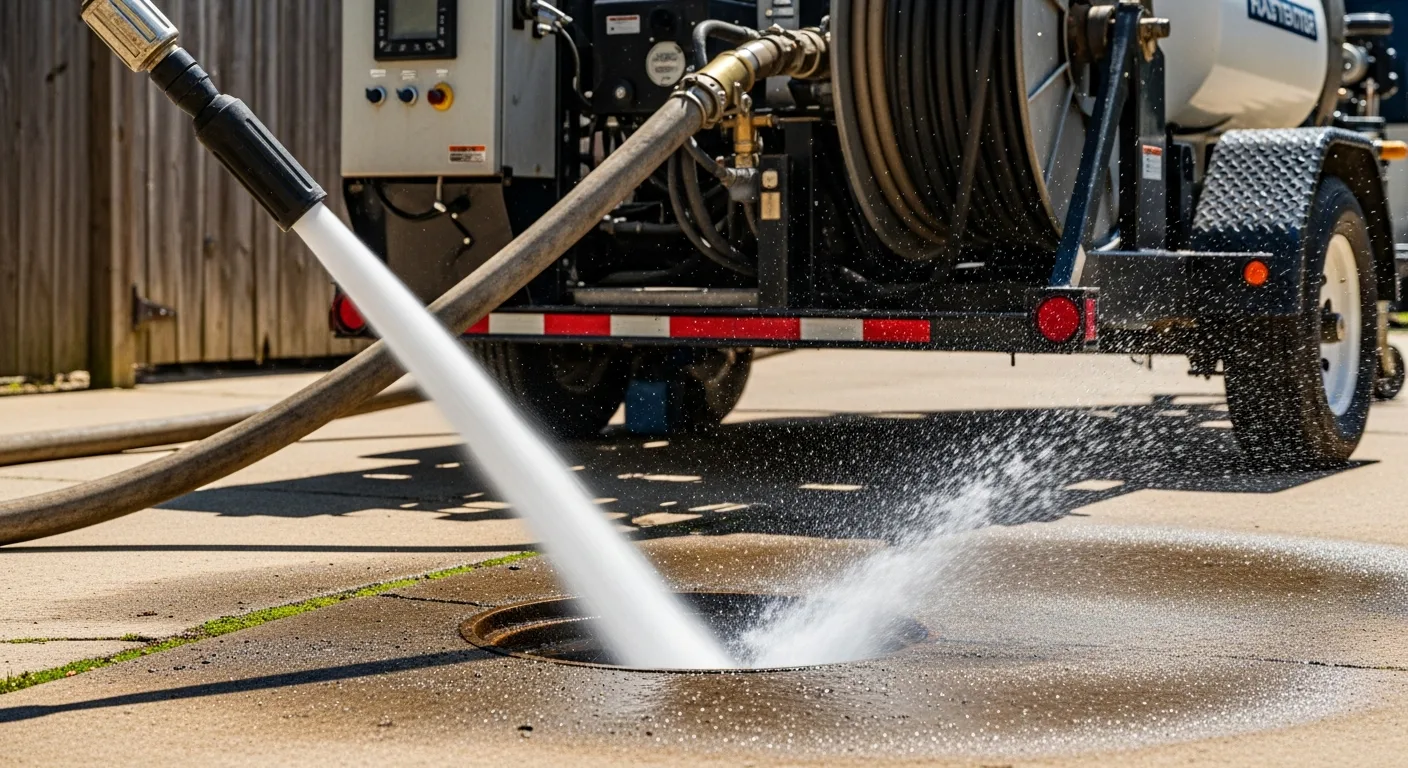
We jet bay drains, trench drains and reclaim lines with hydro jetting, camera and repair the sewer lateral, replace failing interceptor tees and piping, install water heaters and gas lines, and replace backflow assemblies. We're available 24/7, and you get an upfront price before work starts. Most drain work can be scheduled before opening so the tunnel keeps running.
Services and tools
Codes and permits
Questions we've answered
- RPZ vs double-check backflow assembly: what's the difference?
- Why is my RPZ backflow preventer spitting water?
- How often does a commercial backflow preventer need testing in Arizona?
- My backflow assembly failed its test. What happens next?
- What happens if I miss my Phoenix backflow test deadline?
- What is a cross-connection and why is it dangerous?
- Why is my floor drain backing up?
- What is hydro jetting?
- What's the difference between hydro jetting and drain snaking?
- What should a commercial plumbing preventive maintenance plan include?
- What plumbing work needs a permit in Phoenix?
Sources
- Phoenix City Code 28-12, interceptors required
- Phoenix City Code 28-15, interceptor maintenance
- Phoenix City Code 37-143 and 37-144, backflow prevention
- Phoenix City Code 32C-103, storm drain discharges
- Phoenix 2024 IPC amendments (1003.2)
- Phoenix Construction Code History (TRT 00550)
- 2024 International Plumbing Code, Chapter 10
- Scottsdale Water, Pretreatment
- Gilbert Town Code 66-245, vehicle and equipment service facilities
- Mesa City Code 8-1-8, customers requiring a backflow assembly
- Mesa City Code 8-4-22, interceptors
- Chandler Industrial Pretreatment Program, Industrial User Permits
Other industries we serve
Grease interceptor rules by city, pumping schedules, health code plumbing and soda backflow, plus 24/7 kitchen drain service.
Arizona landlord plumbing duties, kitchen stack clogs, water heaters, planned shutoffs, backflow testing and sewer laterals.
Shared grease interceptors, strip center backflow, tenant improvement permits, vacant suite odors and the records cities ask for.
County hotel plumbing rules, pool and spa backflow, laundry lint interceptors and hot water for the morning rush, plus 24/7 repair.
Brewery backflow, sewer pH and temperature limits, carbonator RPs, bar floor sinks, glass washers and trench drain jetting.
EPA amalgam separator rules, Phoenix compliance reports, clinic backflow, sterilizer and vacuum plumbing, and tenant improvement permits.
Lab backflow, lead testing at fountains, cafeteria grease interceptors, worn restrooms and summer break maintenance for Valley campuses.
Dry traps, fellowship hall kitchen grease, restroom loads on event days and irrigation backflow for Valley houses of worship.
Locker room showers, hair-clogged drains, sewer smells from dry traps and pool and spa plumbing rules for Valley gyms.
State board hot water and drain rules, shampoo bowl clogs, hair interceptors, chemical dispenser backflow and salon water heaters.
Lint interceptor rules, city cleaning records, laundry backflow, water heaters sized for peak demand and sewer line care.
RP backflow for multi-tenant shells, oil separators at truck bays, tempered eyewash water and industrial wastewater permits.
Condo vs owner plumbing duties, shared sewer lines, irrigation backflow testing, community pools and emergency water shutoffs.
Plumbing Help for Car Washes
Talk to a real dispatcher who knows commercial work. Upfront pricing before work starts, 24/7 for emergencies.