
Coffee Shop Plumbing in Phoenix and the Valley
Grease trap or interceptor by city, filtered water and an RPZ for the espresso line, and the sinks and drains the county inspects.
Whether a Valley coffee shop needs a grease device depends on what it makes on site and which city it sits in. Phoenix requires an interceptor wherever food is prepared, while Surprise lets some coffee shops use an engineer-sealed trap. The espresso line also needs filtered water, an RPZ upstream of any reverse osmosis system, and county-approved sinks.
The rules that apply
Each rule links to the official text we read it from. Cities change these, so check the source before a big decision. Last checked 2026-10-04.
Grease device where food is prepared
PhoenixEvery food service establishment that prepares food on site needs a grease interceptor. A hydromechanical trap is allowed only up to four plumbing fixtures, and a dishwasher or food waste disposer forces an outdoor gravity interceptor.
Source: Phoenix FOG BMP ManualTrap allowed, but tied to the three-compartment sink
MesaA grease trap is allowed only with four or fewer food-prep fixtures and no dishwasher, and a trap is required whenever Maricopa County requires a three-compartment sink. Traps are at least 50 gpm with 100 pounds of grease capacity.
Source: Mesa City Code 8-4-22(E)Beverages are named in the rule
ChandlerFood service establishments that prepare or package food or beverages for sale or consumption must install a FOG treatment device, keep service records for 3 years, and may not use enzymes or bacterial additives in place of pumping.
Source: Chandler food service establishments pageCoffee shops may qualify for a trap
SurpriseCoffee shops are listed among the facilities that can use a trap in place of an interceptor if an Arizona-licensed engineer seals the calculations. The shop needs limited prep, minimal cooking and no Type I hood. Hand sinks, ice machines and soda machine drains stay off the grease line.
Source: City of Surprise commercial pretreatment pageWater treatment and backflow on the espresso line
Maricopa CountyA testable high-hazard backflow preventer such as an RPZ goes immediately upstream of any reverse osmosis system. Carbonated beverage systems need a reduced-pressure backflow preventer with water filters on its supply side, and no copper or brass downstream.
Source: County Plan Review Construction GuideSinks and drains
Maricopa CountyA hand sink within about 25 feet of every workstation and ice machine. A three-compartment sink where pots or multi-use utensils are washed by hand, draining indirectly to a floor sink. Ice machines and prep sinks drain with a 1-inch air gap.
Source: County Plan Review Construction GuideHot water sized to the equipment list
Maricopa CountyEach permitted establishment needs its own dedicated water heater, set to at least 120 degrees F, delivering hot water to hand sinks, dish sinks and service sinks within 45 seconds, with recovery equal to or greater than the calculated hourly demand.
Source: County hot water supply guidelinePublic restroom exception for small takeout counters
PhoenixPublic toilet facilities are not required in a tenant space meant for quick transactions such as takeout or pickup with a public access area of 300 square feet or less. Employees still need toilet facilities.
Source: Phoenix Plumbing Code 2024, 403.3Does a coffee shop need a grease trap or interceptor?
Often yes, and the answer follows your kitchen, not your sign. Phoenix says every food service establishment that prepares food on site needs a grease interceptor. Mesa ties a trap to the three-compartment sink the county requires. Chandler's rule reaches establishments that prepare or package beverages, so a drinks-only bar is not automatically exempt there.
Surprise is the one city on our list that names coffee shops outright. A coffee shop with limited prep, minimal cooking and no Type I hood can use a trap in place of an interceptor, but only with calculations sealed by an Arizona engineer. Phoenix and Mesa allow a trap only up to four fixtures on the grease line, so count your three-compartment sink, mop sink and any floor drains with grease potential before you buy a unit. Hand sinks, ice machines and soda machine drains do not go to the grease device in Surprise's list.
Get the answer from your city's pretreatment office before the plumbing permit goes in. Our FAQ on whether a coffee shop, bakery or bar needs a grease trap lays out the city rules side by side, and the Valley grease rules by city page has the pumping schedules.
What goes down a coffee shop drain
Milk, syrup and grounds are the three problems, and none of them belongs in a grease trap. Milk residue and syrup sit in the drain trap and turn sour, which is where the smell at a three-compartment sink usually starts. Coffee grounds are heavy and settle in horizontal pipe. The county's guide recommends a knockbox for emptying grounds and says a trash can may not be used as one.
A food waste disposer is the other trap. Phoenix keeps disposers off hydromechanical traps, and Chandler points to the plumbing code rule that a disposer cannot discharge to a FOG treatment device. If your plan includes a disposer, the device type changes. Skip the disposer and the question mostly goes away.
When a coffee shop drain does slow down, we start with a cable and bring the jetter if the line needs it. Commercial drain cleaning covers how that visit works, and hydro jetting is the follow-up when the problem is buildup rather than a single clog.
Espresso machine water: filter, soften, protect
Hard water is the espresso machine's enemy, and Phoenix has plenty of it. The county's construction guide says hard water in Maricopa County causes limescale and mineral buildup on faucets, drain lines, dishwashers and ice machines, and recommends a softener or filter. Follow your machine maker's water specification for hardness and filtration, because warranties often depend on it.
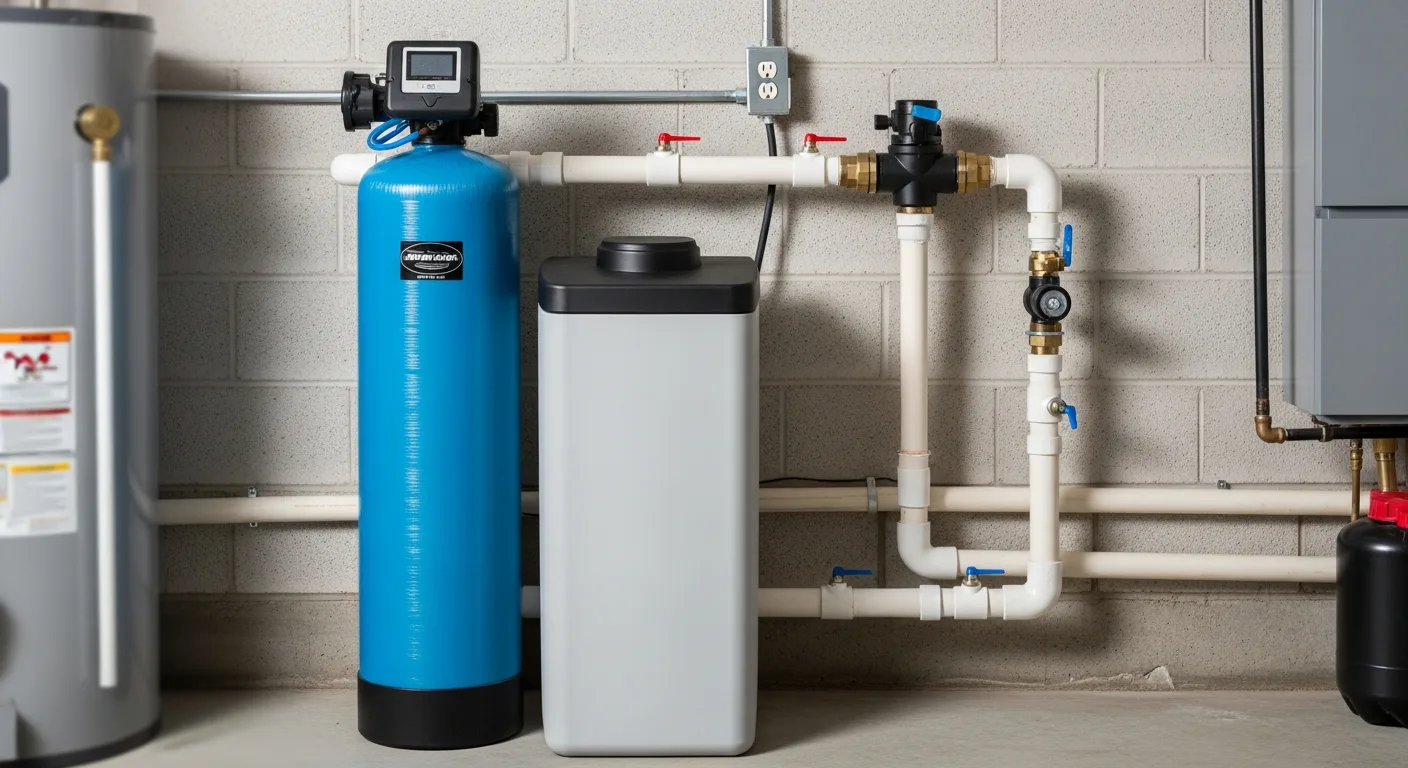
Two county rules matter for the plumbing around that filter. If you run reverse osmosis, a testable high-hazard backflow preventer such as an RPZ must sit immediately upstream, and copper or brass cannot sit downstream because RO water can corrode them. If you carbonate a drink, the preventer goes between the supply and the carbonator, and filters go on the supply side of it. We install under-sink RO systems and can set the layout so the backflow device and the filter housings stay serviceable. Start with water softening and filtration, then read commercial kitchen water filtration.
Hand sinks, three-compartment sinks and ice machines
The county wants a hand sink within about 25 feet of every workstation, bar, wait station and ice machine, with nothing in the way, not even a door. A shop that serves from one counter often needs only one, but a back prep area adds a second.
A three-compartment sink is required where pots, pans or multi-use utensils are washed by hand, and all three compartments drain indirectly to a floor sink through an air gap. A dish machine cannot replace it. Ice machines and prep sinks drain the same way, with at least a 1-inch air gap above the flood level of the floor sink. Floor sink versus floor drain versus mop sink shows what each looks like, and how to drain a commercial ice machine legally covers the air gap in detail.
Hot water for a small café
Size the water heater from the county's equipment table, not from a guess. The county's guide lists hourly demand for each fixture. For a carry-out shop using single-service ware, the low column applies: 5 gallons per hour for a hand sink, 45 for a three-compartment warewash sink, 5 for a mop sink and 5 for a coffee urn. That adds up to 60 gallons per hour before you count a blender sink or dish machine. The heater needs recovery at or above the total, calculated on a 60 degree rise.
Each permitted establishment needs its own dedicated heater, and water has to reach the sinks within 45 seconds. A long pipe run to a back sink is the usual reason a new café fails that test. We replace light commercial tank water heaters, including haul-away of the old unit, and our water heater page explains how we size a swap.
When you can skip it, and when you cannot
You can skip a full interceptor discussion if you only pour drinks and sell sealed items, because Phoenix's rule is triggered by preparing food on site. But a three-compartment sink, an oven or a panini press changes that quickly, and no one on the internet can answer it for your address. Ask the city before you design around a trap that may not be approved.
You cannot skip the water side. Hard water kills espresso equipment, and an RO system with no RPZ upstream will fail a county review. For a restaurant-sized version of the same rules, see our restaurant plumbing page.
What HQ does for coffee shops
We clean and jet kitchen and floor drains, repair hand sinks and faucets, replace light commercial water heaters, install under-sink RO, and tie in floor sinks and indirect drains for ice machines. We offer 24/7 emergency service, free estimates and upfront pricing before work starts. If an interceptor needs repair after a licensed hauler pumps it, we coordinate that visit with our grease trap service.
Does a coffee shop, bakery or bar need a grease trap?
Usually yes. Phoenix, Tempe and Chandler require a grease device at food service establishments that prepare food on site, and Chandler's rule also covers beverages. Surprise lets some low-grease shops, including coffee shops, use a trap if an engineer signs off. Hand sinks and ice machines don't need one.
Read full answer: Does a coffee shop, bakery or bar need a grease trap?What water filtration does a commercial kitchen need?
A commercial kitchen’s treatment should match measured incoming water, each appliance’s water specifications and the required flow. Sediment or carbon filtration, softening, scale control and reverse osmosis do different jobs; not every machine needs all of them. Use the actual equipment instructions and service the selected system under its manufacturer’s requirements.
Read full answer: What water filtration does a commercial kitchen need?Does my business need a commercial reverse osmosis system?
Likely yes if water taste or scale affects your product or equipment. Restaurants, cafes, labs, medical offices, and car washes use commercial reverse osmosis for clean-tasting water and spot-free results. In Phoenix's hard water, RO with pretreatment protects gear, prevents scale, and keeps equipment warranties intact.
Read full answer: Does my business need a commercial reverse osmosis system?Where must a restaurant hand sink go in Maricopa County?
Maricopa County wants restaurant hand sinks centrally located, visible and directly accessible, approximately 25 feet from every food and beverage workstation, including bars. A waterproof metal splashguard at least as tall and wide as the sink goes between it and food or utensil areas within 24 inches. Hot or tempered water and a mixing faucet are required.
Read full answer: Where must a restaurant hand sink go in Maricopa County?What's the difference between a floor sink, floor drain, and mop sink?
A floor sink is a recessed receptor that catches indirect waste from equipment through an air gap. A floor drain is a direct, trapped drain in the floor for washdown water. A mop sink is a low basin for filling and dumping mop buckets. Each serves a separate code purpose.
Read full answer: What's the difference between a floor sink, floor drain, and mop sink?How do I drain a commercial ice machine legally?
Pipe the ice machine's drain to a floor sink, trapped standpipe or floor drain through an air gap, never as a direct connection to the sewer line. Maricopa County's guide calls for a minimum 1-inch air gap; Hoshizaki's manual calls for 2 inches. Where both apply, meet the larger one.
Read full answer: How do I drain a commercial ice machine legally?Sources
- City of Phoenix: FOG Best Management Practices for Food Service Establishments (June 2024)
- Mesa City Code Sec. 8-4-22, Interceptors
- City of Chandler: Food Service Establishments
- City of Surprise: Commercial Pretreatment
- Maricopa County Plan Review Construction Guide, Food Establishments (Rev 09/04/2026)
- Maricopa County: Guideline to Sizing Water Heaters, Water Temperature and Potable Water Supply (Rev 10/15/2025)
- Phoenix Plumbing Code 2024, Chapter 4 (Fixtures)
Related commercial services
Bakery grease interceptor rules, flour and dough clogs, floor drains around coolers and proofers, and water heater sizing from the county table.
Commissary agreements, dump station drains, potable fill backflow, truck tank sizes and grease device rules for kitchens that host food trucks.
What to do in the first ten minutes of a restaurant plumbing emergency, when to stop serving, and how after-hours dispatch works.
Hand sink placement and temperature, prep sink air gaps, splash guards and which sinks go to the grease device, with repair options.
Drain stack, water riser, slab and underground main leaks in apartment buildings, owner duties, riser valves and leak detection.
Stopping a unit leak, Arizona entry and repair rules, tenant self-help limits and in-unit water heater failures.
Opening or Fixing a Coffee Shop?
Talk to a real dispatcher who knows commercial work. Upfront pricing before work starts, 24/7 for emergencies.