
How We Work With Multi-Location Accounts: Portals, Limits and Check-In
Chains and managed properties run plumbing through work-order portals, spending limits and site check-in. How we handle each and what to send with a store call.
Multi-location plumbing calls usually arrive through a facility work-order platform with a not-to-exceed limit and a site check-in rule. We stop the problem first, stay inside the limit, document the visit with photos and sign-off, and write a proposal for anything bigger so you can approve it before work starts.
What was wrong
For a regional manager, a plumbing problem at one location is rarely a phone call. It is a ticket: a work-order number in a facility platform, a store number, a description of the symptom, and a limit on what the vendor may spend without asking. A drain is slow, a hand sink is dripping, a restroom fixture is out. The manager is in another city and wants it handled without a chain of emails.
That changes what a plumber has to be good at. The pipe work is the same as anywhere. The difference is the procedure wrapped around it.
How we find the cause
Work starts with the ticket. We take the work-order number, the store identifier and the symptom as written, and we ask the questions the ticket doesn't answer: which fixtures, whether the store is open, and whether the problem stops service.
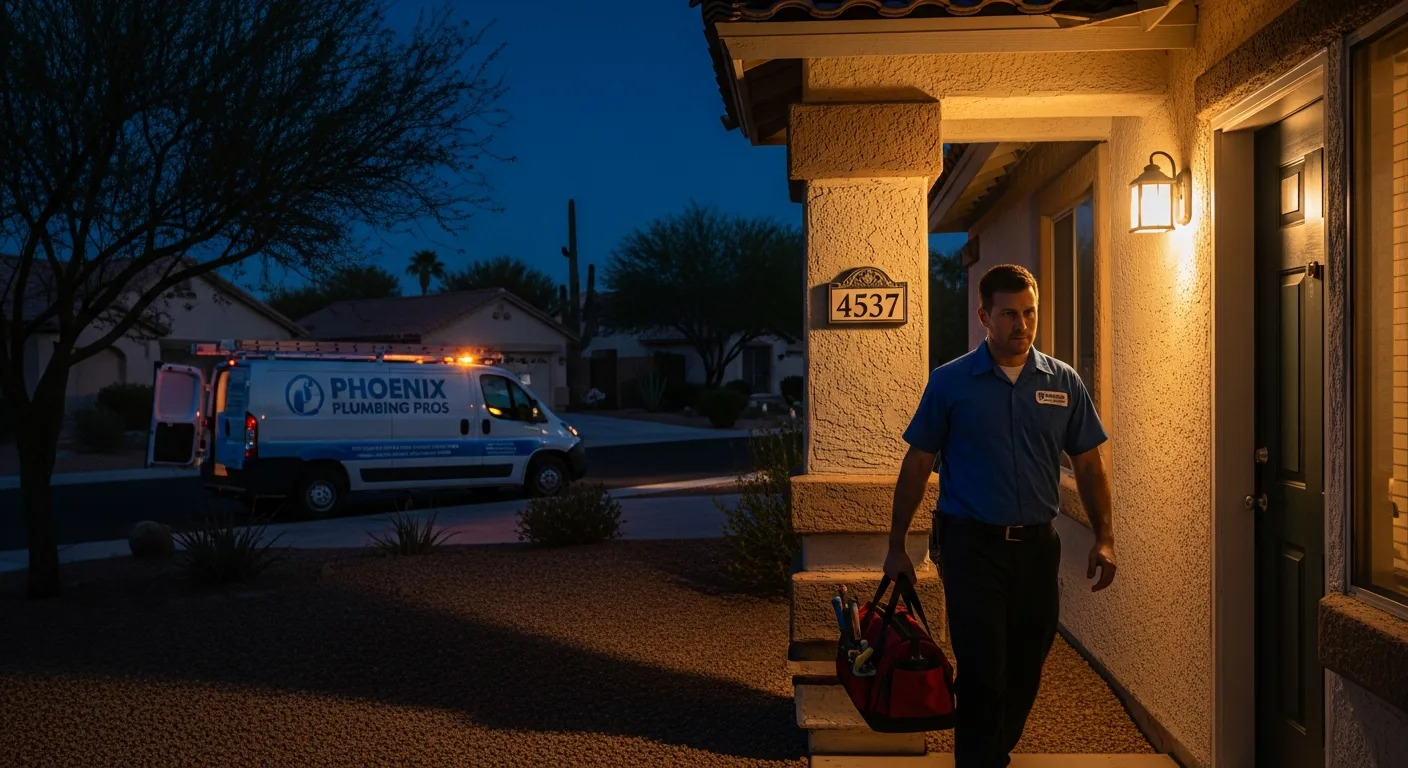
Many chain and managed sites require the technician to check in and out, sometimes by phone with a vendor PIN and tracking number, sometimes through an app. We follow the site's rule every time, since the check-in record is part of how the account verifies the visit.
On site, the diagnosis is hands-on. We open up the fixture or line, run water to confirm flow and find the fault, and use a camera on drains and sewer lines before recommending bigger work.
What fixes it
The first goal is to stop the symptom: clear the line with a cable or a jetter, or replace the failed part. That usually settles the call.
Most work orders carry a not-to-exceed limit, so anything that would go past it stops for approval before we continue. If the problem needs a larger repair, we write a proposal rather than spending past the limit, and we schedule the return visit once it's approved.
We document the visit with photos and an on-site sign-off, and notes and invoices go back into the platform against the work-order number.
What to know before you call
Send the work-order number, the store address and number, a contact on site, the hours and the check-in instructions. Say what the not-to-exceed limit is, and who can approve more. If the location is leased, tell us whether the failed part belongs to the tenant or the landlord. Photos from the store help us arrive with the right parts. For a restaurant, tell us if the problem takes out a hand sink or the only restroom, since that decides how soon the store can open.
Last reviewed 2026-10-04. This page describes a pattern we see on service calls; your building, fixtures and city rules decide the details.
Services that fix it
Seeing This at Your Place?
Call or send the details. 24/7 emergency service, licensed and insured, free estimates, price up front.